Vienna, VA Dentist

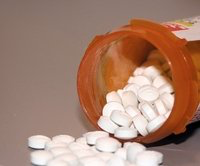
Blood thinning medications are helpful in regulating your body to prevent heart attacks, strokes, and other serious issues. However, if you are scheduled for oral surgery, it is vital that our oral surgeon is aware of all medications you are using.
How Blood Thinners Work
There are two types of blood thinners. The first type works to prevent blood clotting. Medications ranging from aspirin to Plavix fit into this category. The other type of blood thinners work to prevent blood from coagulating; Coumadin or warfarin accomplish this.
What Our Oral Surgeon Should Know
When you have your oral surgery consultation appointment, be sure to share with us any medications you are taking. We need to have your complete medical history to ensure your safety and proper treatment. Our dentist might also ask you the purpose of each medication you are taking to better understand any side-effects or other medical issues that could affect your oral surgery.
Steps to Take Before Surgery
Never stop any medication without consulting your doctor. Depending on your medical history, your doctor might suggest specific blood tests before having oral surgery. Communication is key, both between you and your primary physician, and between you and our office. If your treatment requires additional medication to be taken, ask about potential drug interactions.
Steps to Take to Minimize Oral Bleeding
Bleeding resulting from oral surgery can occur, but each patient will have different results. The most effective way to minimize oral bleeding is to firmly apply pressure to the area for up to 30 minutes. Gauze is recommended for applying gentle pressure to stop bleeding. Depending on the oral surgery procedure, we may ask you to refrain from drinking hot liquids and rinsing your mouth for the first day. We suggest avoiding rough or sharp foods that might cut your mouth.
Prior to having any oral surgery, it is important that our experienced surgical team has a thorough knowledge of your medical history. This enables us to find the best possible solutions for your needs, while ensuring your safety.
If you have any questions about medications and oral surgery, contact our office.

Is anxiety or nervousness preventing you from visiting our team? Dental treatments should not be a cause of stress. If you worry about pain, embarrassment, or loss or control during a dental examination, we want you to know two very important things: You are not alone and We can help.
It’s common knowledge that plenty of beverages are not good for your health. The excessive amounts of sugar, caffeine, or alcohol found in a lot of popular drinks have well-documented impacts on your body. However, you may not be aware of the immediate impacts that these beverages can have on your teeth. Below is a list of some common beverages and tips for enjoying them responsibly.
Do you suffer from regular sensitivity? Teeth sensitivity is often misunderstood, but our dental team can help you find relief. We’re here to separate the fact from fiction in sensitivity.
A canker sore can make eating, drinking, and talking difficult and even painful. Maintaining your oral health by brushing and flossing may also be difficult with a sore in your mouth, but keeping up with your daily oral hygiene routine is an important step in the healing process. We’ve put together a short guide to everything you need to know about canker sores.
During pregnancy, it is essential that you don’t neglect your oral health. A fluctuation in hormones can cause drastic changes in your mouth. Oral health complications have been linked to increased risk in other significant overall health issues. Here are the most common oral health problems, how they can affect your pregnancy, and how to prevent them.
It usually starts pretty innocently. You’re biting into your favorite hard candy and suddenly you realize that there’s one little hard piece in your mouth you can’t seem to dissolve. You check it out and fear overcomes you when you see it’s a little chipped piece of a tooth.
Sugary, sticky, and sweet candies can damage your teeth by increasing your risk of decay. Though gum can be considered a type of candy, chewing sugarless gum approved by the ADA can actually help protect teeth and prevent tooth decay. Here’s what you need to know about gum and your teeth.