How often does your child eat candy? According to a study conducted by the USDA Economic Research Service, children under 12 consume an average of 49 pounds of sugar in one year. While candy is not the sole source of sugar in a child’s diet, the impacts of sugary candy treats are particularly harmful to teeth. Here’s what you need to know about candy and how it might be damaging your child’s smile.
The Impact of Sugar on Teeth
The real culprit in candy is the high sugar content. Certain types of bacteria that are present in your mouth can feed on sugar. These destructive bacteria then create acid that wears away tooth enamel. When enamel is weakened, your risk of developing decay increases. Your mouth is effective at neutralizing acids and aiding minerals that strengthen enamel if the amount of sugars and acids is not excessive. Your mouth can only do so much, which makes it essential to limit your sugar intake and maintain a regular and thorough oral hygiene routine.
Watch Out for Sticky, Sugary Candies
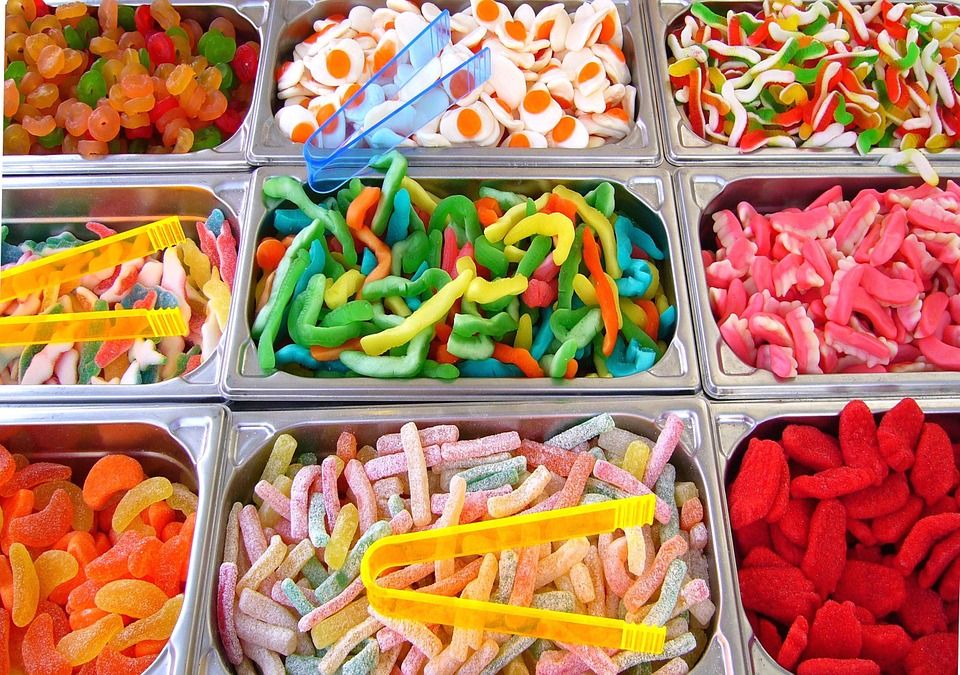
Not all candies are made equal. For a general rule of thumb, the sticker the candy, the worse it is for your teeth. Sticky candies leave sugary residue on your teeth long after you are done eating. This gives the bacteria in your mouth more time to start demineralizing enamel. Watch out for sticky candies like gum drops and taffy.
Suckers, lollipops, and hard sucking candies are troublesome because they are in your mouth for an extended period of time. Like sticky candies, this allows for more time for harmful bacteria to get to work by weakening your teeth. You can also chip or crack a tooth if you bite too hard.
Other problematic candies include those that are gummy and coated in sugar. Think of gummy worms or another sour covered, chewy critter. Not only are they high in sugar content, but they also typically contain harmful acids that contribute to a loss of enamel.
Steps for Preventing Decay
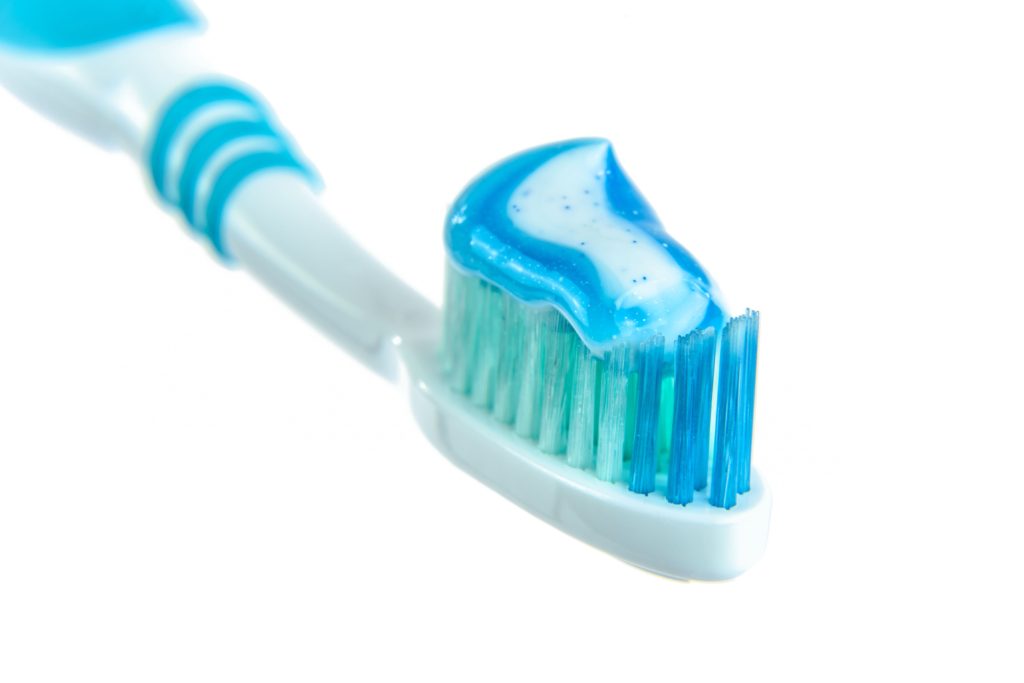
You can help your child by limiting their candy and sugar intake. In some instances, this can be tricky and even out of your control when your child is at school or a friend’s house. What you can do is instill good oral hygiene habits in your child. Make sure they are brushing for two minutes twice each day. You can make brushing fun. Sing a song together for the two minutes, and allow them to choose a fun toothbrush and toothpaste flavor.
Candy is a fun treat. You don’t have to take it away from your child altogether, but limit their exposure to such treats and educate them about the impacts candy can have on their teeth. When left untreated, decay can spread leading to pain and infection. Maintaining a schedule of regular visits to our Vienna dentist is essential. More than just a cleaning, we will provide a thorough examination to check for decay.
If you haven’t already scheduled your child’s next appointment, please contact Vienna Cosmetic & Family Dentistry.
Vienna Cosmetic & Family Dentistry
Phone: (703) 281-0902
2563 Chain Bridge Rd.
Vienna, VA 22181